Start Your Journey
Welcome! If you're new to stamp collecting, this guide will walk you through the fundamentals of philately and help you begin building a meaningful collection.
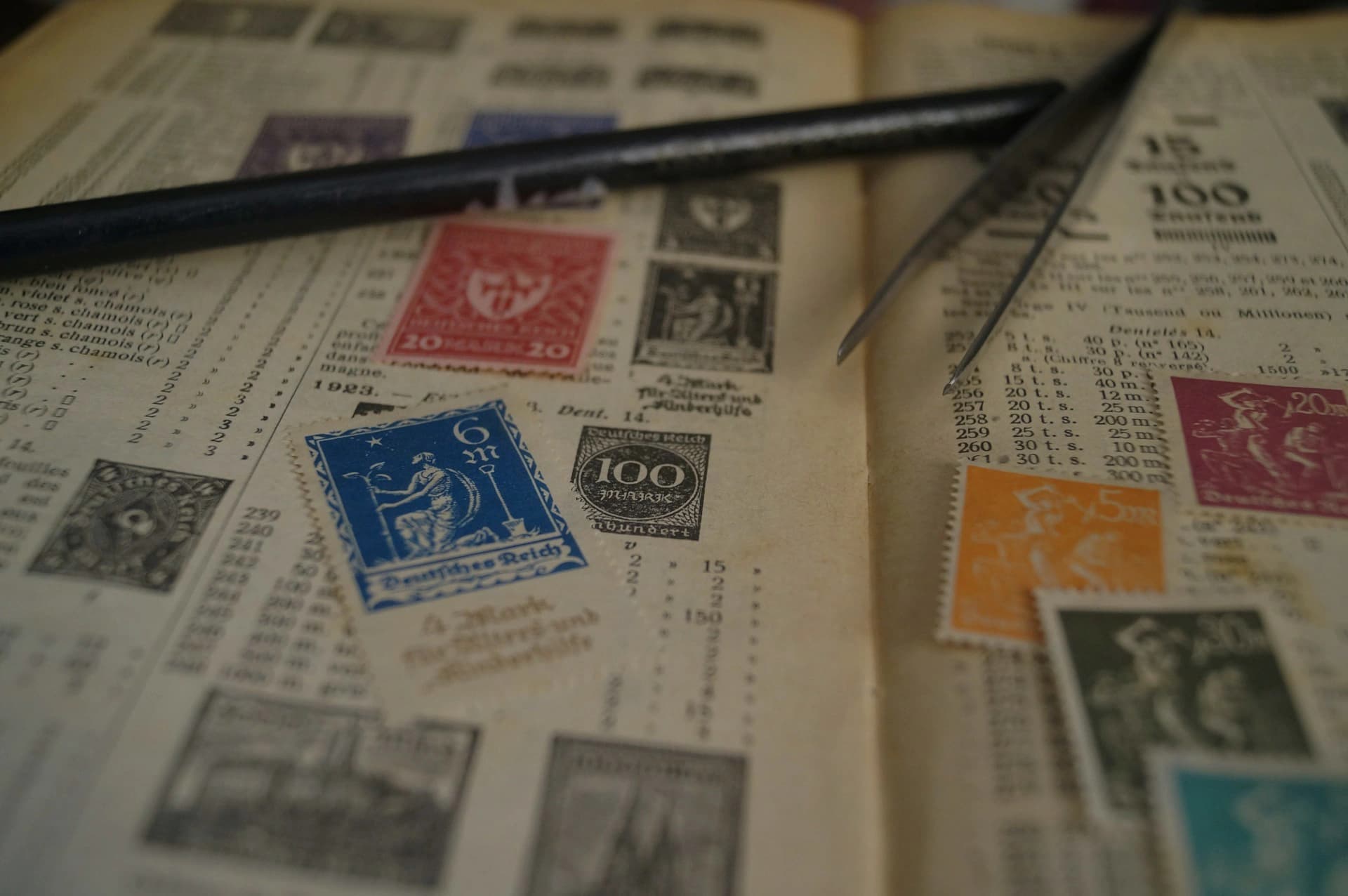
The basic tools every stamp collector should become familiar with.
What is Stamp Collecting?
Stamp collecting is the hobby of gathering postage stamps and related postal items, often for enjoyment, education, or investment. It involves finding, organizing, and preserving stamps from various countries and time periods.
Philately, on the other hand, is the study of postage stamps, their history, production, and cultural context. While many stamp collectors are philatelists, philately goes beyond just collecting — it explores the deeper stories and technical aspects behind the stamps.
Collectors often focus on specific themes such as birds, space, or sports, while others collect by country, historical period, or even rare printing errors and limited editions.
The hobby began shortly after the release of the world's first postage stamp — the Penny Black, issued in 1840 in Great Britain. It featured Queen Victoria and revolutionized communication.
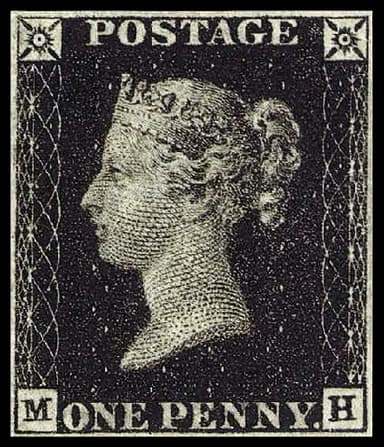 Penny Black (1840)
The first known stamp collector was John Edward Gray, a British zoologist who began saving stamps in 1841.
Since then, stamp collecting has evolved into a global hobby enjoyed by millions of enthusiasts. It combines history, geography, design, and storytelling — all through tiny, fascinating windows into the past and present.
Why Start Collecting Stamps?
Stamp collecting is more than just a pastime — it's a mindful and enriching activity that encourages you to slow down and appreciate the details. Whether you're young or old, it offers a peaceful escape from fast-paced routines while still engaging your curiosity and intellect.
Discover the World
Through stamps, you explore different countries, cultures, historical events, and notable individuals. Each stamp tells a story and offers a unique glimpse into the world.
Art in Miniature
Stamps are miniature works of art — often beautifully designed and historically significant. Collecting them can naturally spark an interest in art, history, geography, and visual design.
One of the greatest joys of stamp collecting is the ability to build a collection that feels entirely personal. You might focus on themes that resonate with your own interests — from wildlife and architecture to space exploration or royal history.
Perhaps most importantly, stamp collecting connects you to a global community. Through clubs, exhibitions, online forums, and trading platforms, you'll meet people who share the same passion and curiosity. It's a hobby that grows with you — offering lifelong learning and lasting enjoyment.
How to Begin
Start Simple
Begin by saving stamps from letters and packages you receive at home. Ask family and friends to save theirs for you as well. Starting small allows you to naturally discover what interests you most.
Choose a Theme or Focus
Animals, space exploration, famous leaders, historical events, or stamps from your own country are all excellent starting points. A focused collection often feels more personal and rewarding.
Gather Basic Tools
Invest in a stamp album or stock book, stamp tongs (tweezers), and a magnifying glass. As your collection grows, you may also want tools like a perforation gauge to better identify and organize stamps safely.
Join a Community
Look for local stamp clubs or join online communities such as Reddit's r/philately, Stamp Community Forum, or collector groups on social platforms. Learning from other collectors is one of the fastest ways to grow your knowledge.
Where to Find Stamps
Once you begin paying attention, stamps start appearing everywhere. Here are some of the most common and enjoyable ways collectors build their collections.
Incoming Mail
Save stamps from letters, postcards, and packages you receive at home. Even everyday mail can contain interesting or unusual stamps.
Flea Markets & Antique Shops
Local markets, antique stores, and garage sales often hide affordable collections, old albums, and vintage postal material waiting to be discovered.
Family & Friends
Ask relatives or friends if they have old letters, envelopes, or forgotten collections stored away. Many collectors begin this way.
Online Marketplaces
Beginner lots and themed collections can be found on platforms like eBay, Etsy, and Delcampe through trusted sellers and hobby stores.
Stamp Fairs & Societies
Philatelic societies, exhibitions, and stamp fairs are excellent places to learn, trade, and meet experienced collectors.
Trading with Collectors
Trading duplicate stamps with other collectors is one of the most rewarding parts of the hobby and a great way to expand your collection.